
Coastal home decorating ideas
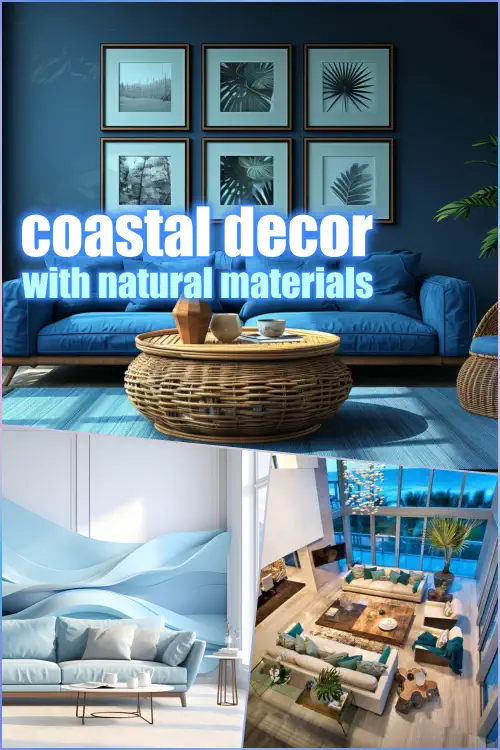
The Coastal Conundrum
So you’re dreaming of a home that feels like a permanent vacation—breezy, light, and effortlessly calm. But there’s a nagging fear in the back of your mind. You don’t want your living room to look like a souvenir shop exploded inside a rental cottage. That’s the line we’re walking today. How do you make a home feel coastal without making it look like a beach-themed rental?
How Do You Make a Home Feel Coastal Without Making It Look Like a Beach-Themed Rental? The Art of Elevated Seaside Style
Table of contents
- How Do You Make a Home Feel Coastal Without Making It Look Like a Beach-Themed Rental? The Art of Elevated Seaside Style
- What Coastal Decorating Actually Means
- Modern Coastal vs. Nautical vs. Beachy Decor
- The Best Coastal Color Palettes
- Coastal Living Room Ideas
- Coastal Bedroom Ideas
- Coastal Kitchen Ideas
- Coastal Bathroom Ideas
- Wall Art, Lighting, and Accessories
- Mistakes That Make Coastal Decor Look Cliché
- Coastal Decor Trends Worth Trying
- FAQs About Coastal Home Decorating Ideas
It’s a question that’s on a lot of people’s minds, especially as the coastal aesthetic evolves. Interior designers are moving away from the obvious and embracing something far more refined. The biggest coastal trend involves a shift away from traditionally beach-themed ornamentations. We’re saying goodbye to the ropes, anchors, and those overly themed blue-and-white rooms that scream “vacation rental”.
Instead, the new coastal look is all about atmosphere, not a theme. It’s about capturing the feeling of being by the sea through light, texture, and natural materials. It’s more grounded in its organic atmosphere, using abstract, textural nods to the coast rather than literal depictions. Think of it as coastal living for grown-ups who want a sophisticated, serene space, not just an Instagram backdrop.
What Coastal Decorating Actually Means
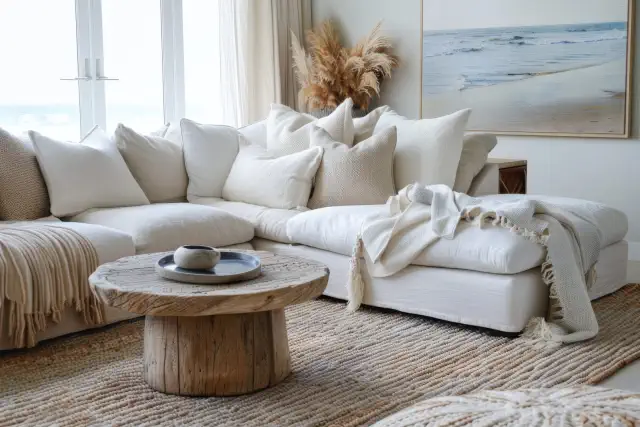
Before we dive into the how-to, let’s get clear on what we’re actually talking about. Coastal decor is a relaxed and calming interior design style that takes inspiration from coastal landscapes. It’s about infusing an essence of coastal beauty into your home. It creates serene environments that feel open and inviting, mirroring the openness of the coast itself.
The mood and atmosphere of coastal decor are centered around peace, relaxation, and a connection to the natural world. That sense of relaxation and calm is core to the style, so creating a connection between inside and out is key. It’s not just about the stuff you put in a room; it’s about how the room makes you feel.
This is where a lot of people get tripped up. They focus on the things—the shells, the anchors, the starfish—rather than the feeling. And that’s how you end up with a space that feels more like a theme park than a home. The goal is to evoke the coast, not to re-create a boardwalk gift shop.
Modern Coastal vs. Nautical vs. Beachy Decor
It’s easy to confuse coastal with nautical or beachy. But there’s a big difference, and understanding it is the first step to avoiding the cliché trap.
Nautical decor is the most literal of the three. It’s all about the seafaring life: ropes, anchors, ship wheels, navy and white stripes, and maritime flags. It’s a very specific, theme-driven style that can feel more like a costume than a design aesthetic.
Beachy decor is a broader term, but it often leans into the kitschy side of things. Think starfish and seashell decor, rope-everything, nautical stripes and anchors, overdone ‘coastal living’ signage, weathered driftwood wall art, and overly themed blue-and-white rooms. These are the elements that make a space feel dated and, well, a little cheesy.
Modern coastal, on the other hand, is a more refined and sophisticated approach. It steps away from obvious references and decorative shortcuts. Instead of relying on symbols or seasonal styling, these interiors are shaped by light, material choice, and how rooms connect and function together. It’s about capturing the essence of the coast—the calm, the light, the natural beauty—without resorting to clichés.
As one designer puts it, “The coastal look draws inspiration from the coastal environment, incorporating natural textures, soothing color palettes”. It’s a subtle, sophisticated style that feels timeless, not trendy.
The Best Coastal Color Palettes
Color is your foundation. It sets the entire mood of the space. And the old-school coastal palette of stark white and navy blue? It’s out. It’s been done so much that it now feels a bit gimmicky. The new approach is far more nuanced and sophisticated.
Interior designers are saying goodbye to cerused and whitened woods in coastal projects and instead are turning toward more color and contrast. This includes using richer wood tones, like those found in antiques or heritage pieces. These pieces are a great way to ground the lighter tones typically found in coastal palettes, helping the whole scene have more longevity.
So, what colors should you be looking at? Think warm, sun-washed neutrals. Sandy beiges, warm taupes, soft creams, and chalky whites. These shades create a peaceful, inviting backdrop that feels natural and timeless.
And what about blue? You can still use it, but it should be used as an accent, not the main event. Soft blues, faded sages, and sea-glass greens add a subtle coastal touch without overwhelming the space. For 2026, we’re even seeing a shift toward frosted shades of lilac, lavender, and silvery aqua as sophisticated alternatives to dominant blues. It’s a move away from the expected and toward something more personal and evocative.
Natural Materials That Create the Look
Here’s a secret that designers swear by: in modern coastal style, texture is the new pattern. Forget about seashell prints and nautical stripes. The real sophistication comes from the tactile quality of your materials. This is where you can add the most visual interest and create that cozy, layered look.
The key to the modern coastal look is keeping these earthy elements edited so the room feels curated, not cluttered. “Incorporate small doses of natural textures like hemp, wovens, rattan, and jute, which add a little bit of that organic, beachy feel without going overboard,” says designer Christine Vroom.
Here are some essential materials to incorporate:
- Linen: Use it for curtains, upholstery, and bedding. Its natural slub and slight wrinkle add instant relaxation.
- Rattan and Wicker: These are perfect for accent chairs, coffee tables, and baskets. They bring in warmth and an organic shape.
- Jute and Sisal: A natural-fiber rug is a fantastic way to ground a room and add texture underfoot.
- Wood: Look for pieces with visible grain and natural finishes. Light oak, reclaimed wood, and teak all work beautifully. Richer wood tones are also making a comeback.
These materials aren’t just pretty; they age gracefully. Wicker, seagrass, jute, and light oak develop a beautiful patina over time, adding to the character of your home.
Coastal Living Room Ideas
The living room is often the heart of the home, and it’s a great place to start your coastal transformation. The goal is to create a space that feels light, airy, and inviting—a place where you can relax and unwind.
Start with a breezy neutral base. Soft whites, sandy beiges, and warm greys create a calm foundation. Then, add layered blues strategically—think throw pillows, a cozy blanket, or a piece of art. The key is to keep the palette gentle and intentional.
Next, layer in natural textures. A jute rug, linen curtains, and a rattan armchair can add instant depth and warmth. Keep furniture low and breezy—think low-profile sofas and coffee tables that don’t overwhelm the space. The overall effect should be one of effortless, relaxed elegance.
Don’t be afraid to mix textures. The coastal style celebrates the imperfect and the natural. Even if you have modern furniture, you can soften it with natural materials and textures.
Coastal Bedroom Ideas
Your bedroom should be your sanctuary, a place where you can truly escape. Coastal design is perfect for creating a calm, restful retreat. The focus is on comfort, structure, and subtle contrast that holds everything together.
Think layered linen bedding, pale wood tones, woven textures, and soft blue accents that never take over the room. These elements create a space that feels calm without feeling empty.
One approach is to use crisp white walls and paneling as a clean base, then add deep navy accents for contrast that feels grounded without turning heavy. Woven shades, a natural fiber rug, and a textured chandelier add depth without clutter. This kind of bedroom works because every material feels connected, creating a calm space that leans coastal without relying on obvious references.
Another option is to use pale blue walls to bring a quiet coastal tone that shifts with natural light throughout the day. White bedding layered with subtle texture keeps the room from feeling flat, while woven storage at the foot of the bed adds a grounded detail. The vaulted ceiling opens the space vertically, giving the room an airy quality that feels natural rather than forced.
Coastal Kitchen Ideas
The kitchen is another great place to incorporate coastal style. The key is to keep it light and airy while adding natural touches that evoke the seaside.
Now, all-white kitchens are being adjusted, not replaced. White still keeps the room open, but blue cabinets are now used to anchor islands, frame storage walls, and create clear zones across the layout. The contrast is subtle and turns a simple layout into something that feels complete without adding extra elements.
Materials like tumbled limestone and hand-formed ceramics are really hot right now. They have more of those worn edges and a tactile feel that can keep kitchens feeling grounded even in a bright coastal home. Opt for wooden furniture, rattan bar stools, and linen dining textiles to bring an organic touch to your kitchen.
For a more unexpected take, consider using a buttery yellow hue instead of the typical blue and white. It rewrites the rules and adds a warm, sunny feel to the space.
Coastal Bathroom Ideas
The bathroom is a natural place to embrace coastal style. It’s a space where you can really play with textures and materials that evoke the beach.
Start with a soft coastal color palette. Think soft sand-colored walls, pale blues, and driftwood grays. These shades create a calm, spa-like atmosphere.
Next, incorporate natural materials. Bamboo shelving, rattan baskets, and driftwood accents bring warmth and depth. Natural stone or pebble flooring can add a tactile, beachy feel. A weathered wood vanity is another great option.
When it comes to nautical accents, use them sparingly. A rope or woven mirror frame can add a subtle coastal touch without going overboard. The goal is to create a space that feels like a serene seaside retreat, not a beach-themed hotel room.
Wall Art, Lighting, and Accessories
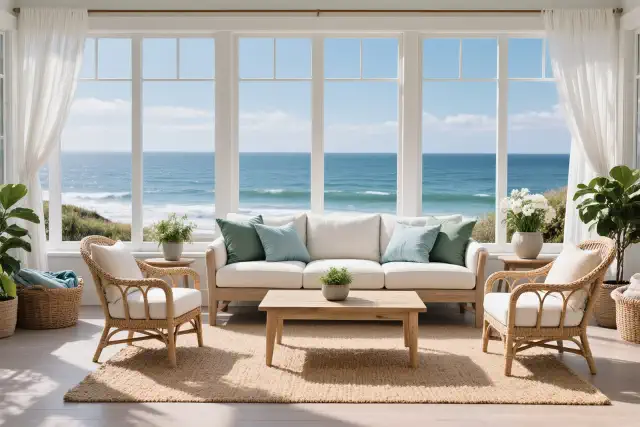
This is where you can really let your personality shine. The key is to be selective and intentional. It’s not about filling every surface with beach-themed knick-knacks. It’s about curating a collection of meaningful items that tell a story.
Wall Art: Avoid literal ocean scenes. Instead, look for abstract or nature-inspired pieces that suggest water, wind, or the horizon through color and form. “Coastal art, beach photography, and tone-on-tone paintings can bring a really calming sense throughout your space,” says designer Christine Vroom. Look for abstract shorelines, muted ocean photography, or textured linen canvases that add depth while keeping your walls looking sophisticated and clean.
Lighting: Never underestimate the power of good lighting. To get that coastal glow, you want to maximize natural light as much as possible. Sheer, floor-length curtains and minimal hardware make windows feel larger and invite in natural light. For artificial lighting, choose fixtures that feel light and airy. Natural materials like rattan, wood, and linen work well for lampshades. The goal is to create a warm, inviting ambiance that mimics the soft, diffused light of a coastal sunset.
Accessories: This is where you can add those subtle coastal touches. Think ceramic vases, woven baskets, and natural fiber throws. Shells can still work, but they need to be used in a sophisticated way. Now, shells are textural, with beautiful silhouettes in luxurious materials like brushed silver and delicate plaster. It’s a far cry from the cliché beach house decor of the past. The key is in the quality and craftsmanship.
Coastal Decorating on a Budget
You don’t need a huge budget to achieve a beautiful coastal look. It’s more about being smart with your choices and focusing on the elements that have the biggest impact.
Start with paint: A fresh coat of paint in a warm, neutral tone can instantly transform a room. It’s one of the most affordable and effective ways to update your space.
Swap out accessories: You can make a big difference by simply changing out your accessories. Trade heavy curtains for lightweight linen ones. Add a jute rug for texture. Replace busy throw pillows with more sculptural, ocean-inspired options.
Bring the outdoors in: Plants are an affordable way to add life and color to a room. A few well-placed potted palms or ferns can instantly make a space feel more connected to nature.
DIY where you can: Instead of buying store-bought seashells, collect your own from the beach. You can also create your own coastal-inspired art or refresh old furniture with a new coat of paint.
Mistakes That Make Coastal Decor Look Cliché
Let’s run through a quick checklist of what not to do. Avoiding these pitfalls will save you from the “beach-themed rental” look.
- Too much navy: A surfeit of navy blue is a pitfall for the unwary adopter of coastal decor. It can look heavy and dated quickly. Use it sparingly as an accent.
- Over-theming: Resist the urge to buy everything with a shell, anchor, or starfish on it. Less is more. A theme is easy—buy a bunch of starfish, paint everything blue, call it done. A feeling is harder.
- Forgetting about texture and layers: A flat, one-dimensional space will always look cheap. Layer in different textures for depth.
- Poor lighting: Harsh, overhead lighting kills the mood. Opt for softer, layered lighting sources.
- Using fish or net decorations: These can look outdated and too kitschy in coastal homes. Choose relaxing, organic-feeling pieces of wall art instead.
- Painting walls bright blue: While more muted shades of blue paint can work nicely, brighter blue shades can be too loud and distracting. Instead, warmer neutral tones that are reminiscent of soft sand can create a more peaceful ambiance.
Coastal Decor Trends Worth Trying
If you want to stay ahead of the curve, here are some of the biggest coastal decor trends.
- Richer wood tones: Designers are saying goodbye to bleached woods and embracing richer, more contrasty tones.
- Frosted color palettes: Think lilac, lavender, and silvery aqua as sophisticated alternatives to dominant blues.
- Elevated shell decor (Coquillage): Shells are getting more elegant, appearing in luxurious materials like brushed silver and delicate plaster. Think shell-encrusted mirrors and other artistic objects.
- Layered textures: Layering natural materials like aged woods, linen, plaster, stone, leather, antique metals, and patinated vintage pieces creates depth and tension within a space.
- Hand-drawn decor: Look for pieces that feel unique and lived-in, such as embroidered tablecloths, skirted furniture, and playful motifs.
FAQs About Coastal Home Decorating Ideas
Coastal home decorating ideas are ways to bring the relaxed, airy feeling of the seaside into your home. Think soft colors, natural wood, linen, rattan, woven textures, comfortable furniture, plenty of light, and subtle ocean-inspired details. You don’t need anchors and seashells everywhere. In fact, the best coastal interiors often feel calm and understated.
Look for furniture with clean lines and organic shapes. Slipcovered sofas, rattan chairs, and tables made of natural wood are all great choices. Richer wood tones are also becoming more popular.
Absolutely! Coastal decor is about creating a feeling of calm and relaxation, which can be achieved anywhere. Focus on the principles of light, natural textures, and a soothing color palette.
The classic coastal palette includes white, cream, beige, sandy taupe, soft blue, navy, sea green, and muted aqua. For a more modern look, use warm neutrals as the foundation and add blue or green through smaller accents. The result feels coastal without becoming overly themed.
Coastal decor focuses on the relaxed feeling of the beach, while nautical decor takes more obvious inspiration from sailing and maritime life. Coastal interiors tend to use natural textures, soft colors, organic shapes, and light fabrics. Nautical spaces are more likely to feature anchors, ropes, stripes, navy blue, ship wheels, and other maritime motifs.
Use restraint. Instead of filling the room with beach-themed accessories, concentrate on quality materials, natural textures, comfortable furniture, good lighting, and a limited color palette. Linen curtains, woven rugs, natural wood, ceramic pieces, and carefully chosen artwork can create a sophisticated coastal atmosphere without looking like a themed room.
Combine comfortable seating with natural textures and a light color palette. A neutral sofa, woven rug, wood coffee table, linen curtains, and coastal artwork make a strong foundation. Add blue or sea-green accents through cushions, throws, ceramics, or artwork rather than using the color everywhere.
Keep the bedroom calm and uncluttered. Choose white, cream, beige, or soft blue bedding and layer in linen, cotton, and woven textures. A natural wood bed frame, rattan bedside tables, soft lighting, and simple ocean-inspired artwork can complete the look without making the bedroom feel overly beachy.
Use natural materials and light colors wherever possible. White or warm-neutral cabinets, wood accents, woven pendant lights, open shelving, ceramic dishes, and subtle blue details work beautifully. If you’re renovating, natural stone or light wood can reinforce the coastal feeling without relying on decorative themes.
Popular coastal materials include natural wood, rattan, wicker, cane, jute, seagrass, linen, cotton, stone, ceramic, glass, and other natural fibers. These materials add texture and warmth, which helps prevent a light coastal color scheme from feeling flat or sterile.
Coastal blue works particularly well with white, cream, beige, sand, taupe, light gray, natural wood, and soft green. For contrast, navy can be paired with warm neutrals and brass or black accents. If you want a softer room, combine pale blue with ivory and natural wood.
Start with inexpensive changes that have a visible impact. Replace heavy curtains with lighter fabrics, add neutral cushion covers, introduce woven baskets, rearrange furniture, bring in plants, and display simple artwork. You can also paint walls in a warm white or soft neutral to immediately make a room feel lighter.
Consider oversized coastal photography, abstract artwork inspired by the sea, woven wall pieces, simple gallery walls, mirrors, or textured artwork. You don’t have to use literal beach imagery. Abstract shapes, soft colors, and natural materials can suggest the coast in a much more subtle way.
Choose artwork that supports the room’s color palette and mood rather than simply searching for anything labeled coastal. Seascapes, coastal landscapes, abstract ocean-inspired art, botanical prints, photography, and handmade pieces can all work. Look for colors and textures that connect naturally with the rest of the room.
Avoid using too many literal nautical symbols at once. You don’t need anchors, ship wheels, ropes, seashells, lighthouses, and beach signs in the same room. Instead, communicate the coastal feeling through natural materials, light, relaxed furniture, soft colors, texture, and a handful of meaningful accessories.
Modern coastal decor combines the relaxed character of coastal style with cleaner lines, contemporary furniture, restrained colors, and fewer decorative objects. It often uses warm whites, natural wood, linen, stone, woven materials, and subtle blue or green accents. The overall effect is relaxed but polished.
Traditional coastal interiors often feature stronger blue-and-white combinations, classic patterns, nautical references, and more obvious beach-inspired elements. Modern coastal style is generally quieter, using warm neutrals, organic textures, contemporary furniture, and fewer themed accessories.
Your Coastal Haven Awaits
So, there you have it. Creating a coastal-inspired home that feels sophisticated, not kitschy, is entirely achievable. It’s not about following a strict set of rules or buying a specific collection of items. It’s about shifting your mindset from “theme” to “feeling.”
Focus on the fundamentals: let in the light, choose a calming and natural color palette, and layer in an abundance of texture. Select furniture that feels grounded and timeless, and curate your accessories with care. By doing this, you’re not just decorating a room; you’re creating a sanctuary. A place that feels like a breath of fresh, salty air, no matter where you are. That’s the true art of coastal style.
